
Alumni Program
Strong Girls. Strong Communities.
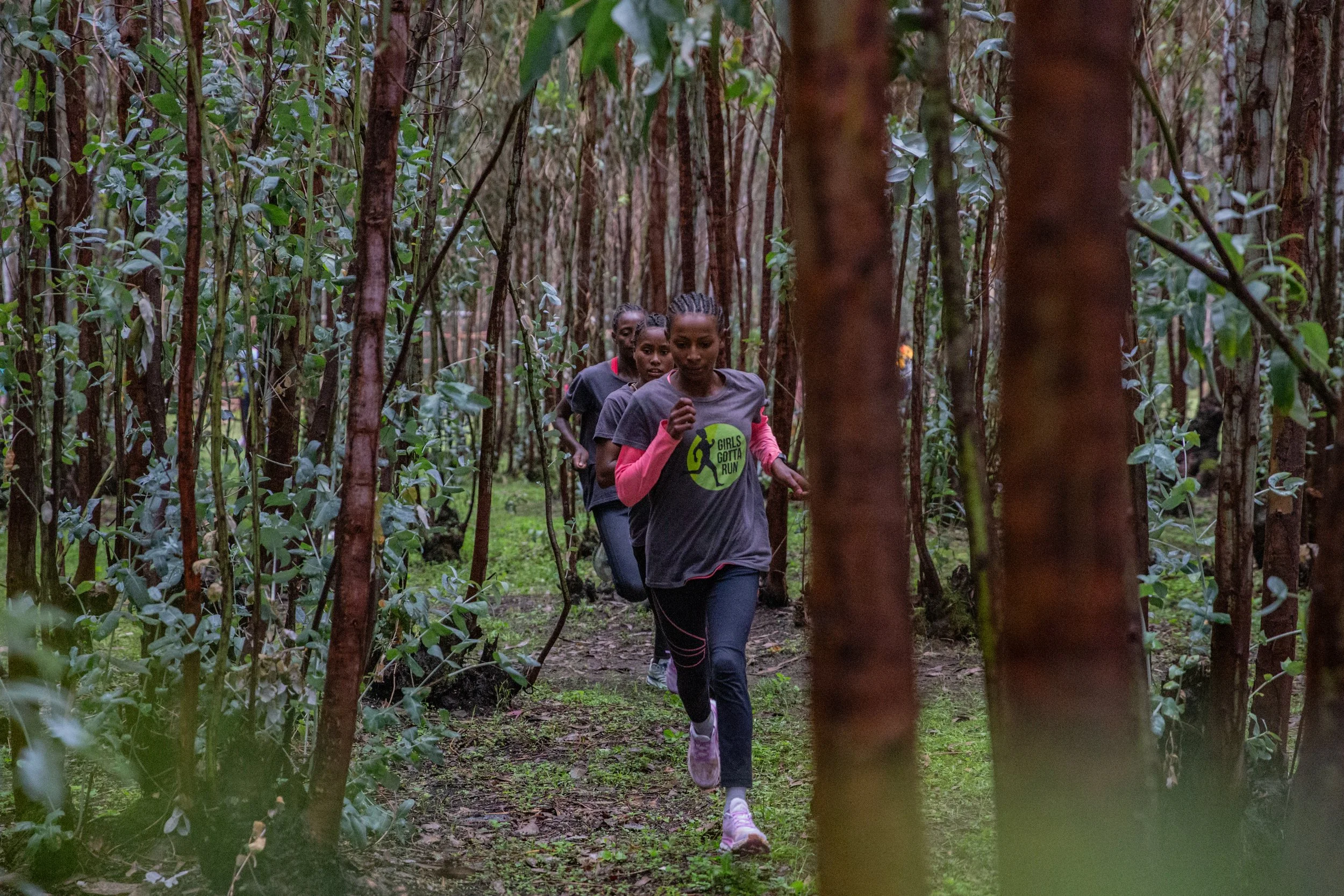
Running is where the journey begins.
It is the catalyst for everything that follows. This is where they discover what they are capable of.
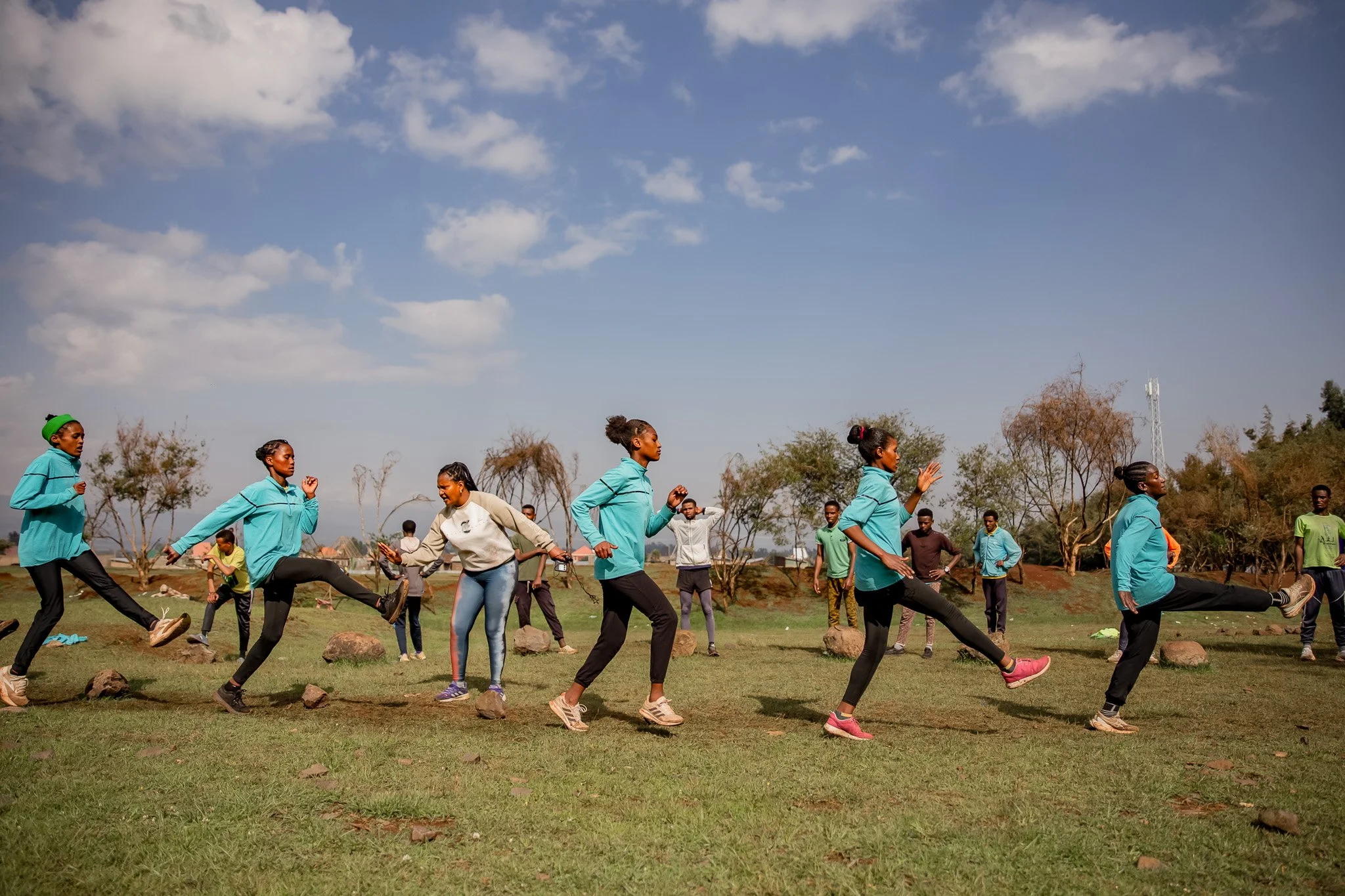
Athletic Scholars train three - five times per week as a team under the guidance of a dedicated female coach. Practices are designed to fit alongside school and family responsibilities, allowing participants to fully engage without compromising their education.
Why running?
A Gender Equalizer
Running creates visibility for girls in spaces where they are often overlooked, challenging norms and expanding what is possible.
Education and Inclusion
Sport helps girls stay engaged in school. Girls who participate in sports are more likely to stay in school and complete their education.
Pathways to Opportunity
Running can open doors to scholarships, competition, and future economic opportunities—expanding what is possible for girls and their families.
Health and Well-Being
Regular participation in sport is linked to improved physical health, reduced stress, and increased self-esteem. Girls who play sports report higher levels of confidence and lower rates of anxiety and depression.
Leadership and Confidence
Through training and competition, girls develop leadership skills that carry into all areas of life. 94% of women in leadership roles report playing sports.
New Initiatives
Vocational Training
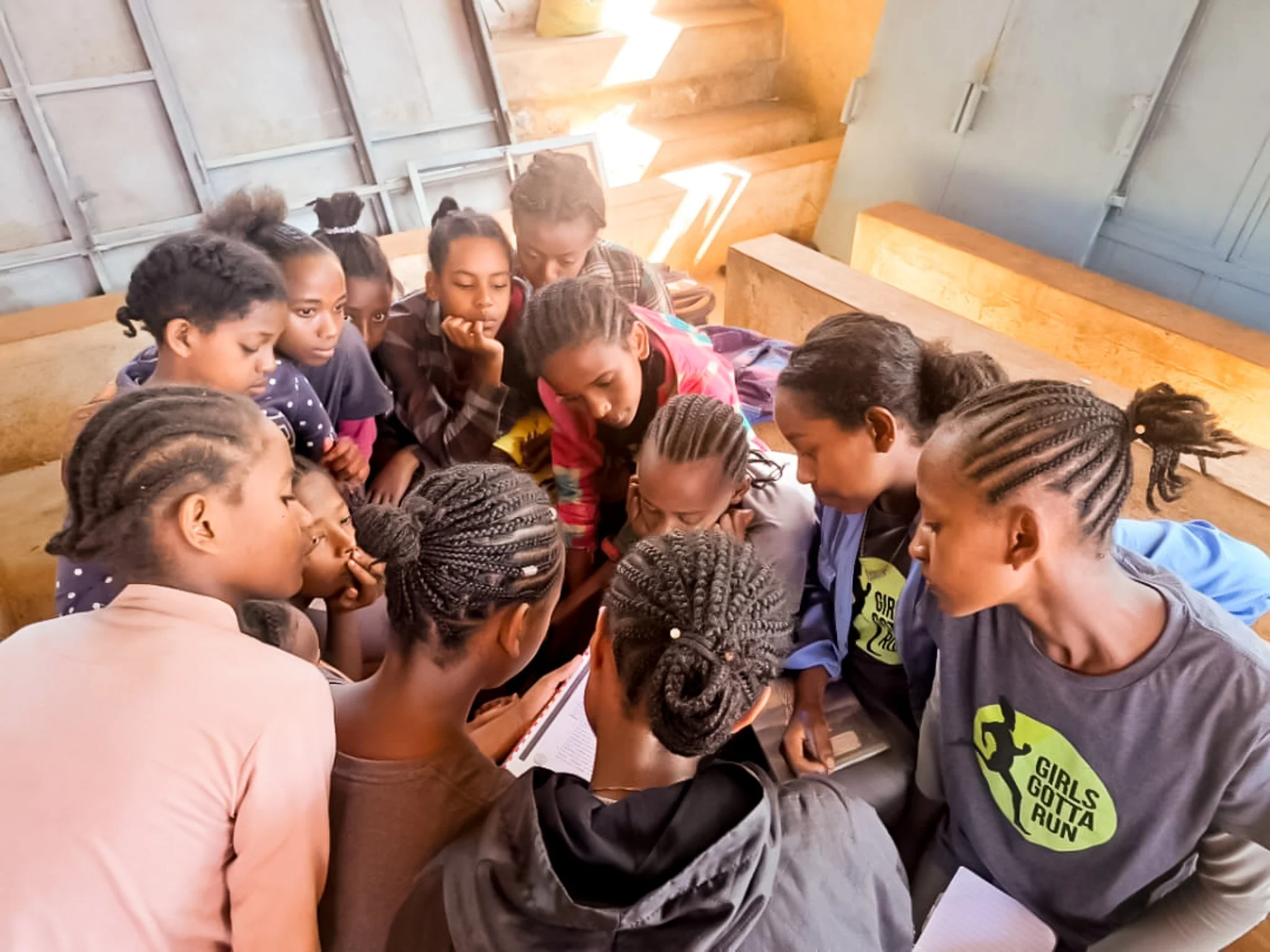
As we deepen our alumni engagement, we’re expanding Project Redwood—our initiative aimed at preparing GGRF graduates for life after secondary school. In Ethiopia, where youth unemployment remains alarmingly high, it’s critical to equip students not just with academic knowledge but with practical, market-relevant skills. Our goal is to introduce more robust vocational training, career readiness workshops, and mentorship pathways that bridge the gap between graduation and employment or entrepreneurship. This includes exploring opportunities in trades, digital skills, and local industries—ensuring our students are not only educated but employable and empowered.
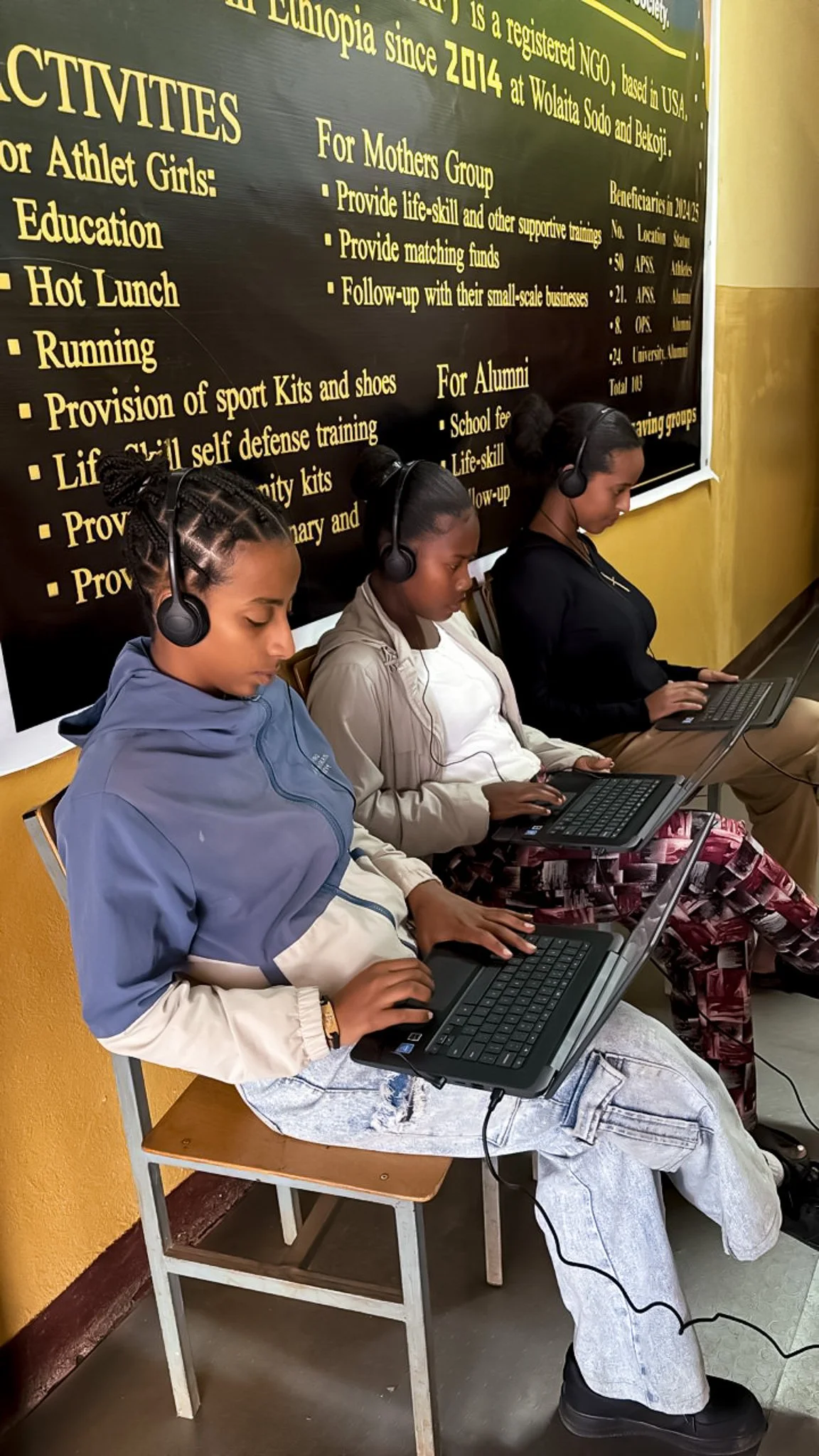
Digital Literacy
One of the greatest barriers to employability today is the digital divide—a challenge that disproportionately affects youth in underserved regions of Ethiopia. In the coming year, we’re prioritizing digital literacy as a core element of our curriculum. By expanding access to devices, training in basic computer and internet skills, and incorporating digital tools into everyday learning, we aim to ensure that every GGRF student is prepared for the modern world. Whether pursuing higher education, vocational work, or entrepreneurship, digital fluency will be key to unlocking opportunity.